Hyperpigmentation:
Causes, Treatment
& Prevention
Everything you need to know about hyperpigmentation in melanin-rich skin. Explore the causes, triggers and the most effective treatments for dark spots and uneven skin tone.
Information
Focused
Content
You Can Trust

In This Guide
Everything you need to know about hyperpigmentation
What is Hyperpigmentation?
Hyperpigmentation occurs when excess melanin (the pigment that gives skin its colour) is produced in certain areas, causing dark spots, patches or an uneven skin tone.
Common Types of Hyperpigmentation
Different types of hyperpigmentation require different approaches.

Caused by acne, eczema, injuries or inflammation. Most common type.

Hormonal pigmentation that appears as brown patches, often on the cheeks, forehead and upper lip.

Dark spots caused by prolonged sun exposure and UV damage.

Triggered by pregnancy, birth control, menopause or hormonal imbalances.

Dark areas on the body such as underarms, inner thighs, knees, etc.
What Causes Hyperpigmentation?
Many factors can trigger an overproduction of melanin in the skin.
UV rays stimulate melanin production.
Breakouts can leave behind dark marks.
Pregnancy, birth control or hormonal imbalance.
Cuts, burns or friction can trigger PIH.
Some drugs can cause pigmentation.
Poor diet, stress and lack of sleep.
Treatment Options That Work
The most effective treatments for hyperpigmentation in melanin-rich skin.
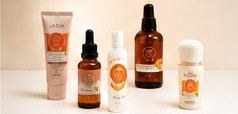
Topical Treatments
Clinically proven ingredients can help reduce dark spots, even out skin tone and prevent future pigmentation.
- Niacinamide — fades dark spots and improves tone
- Vitamin C — brightens skin and protects against free radicals
- Alpha Arbutin — reduces melanin production
- Kojic Acid — helps lighten stubborn pigmentation
- Azelaic Acid — soothes inflammation and fades marks
Results Timeline: What to Expect
Consistency is key. Here's a general timeline for visible improvements.
Skin looks brighter and more even.
Dark spots start to fade and skin tone improves.
Noticeable reduction in pigmentation.
Optimal results with consistent care.
Take our Skin Assessment to get a personalised routine and product recommendations for your skin concern.
 Take Skin Assessment